how apple accidentally won the ai race
why the richest company on earth is renting its brain from google, and why it has done this twice before.
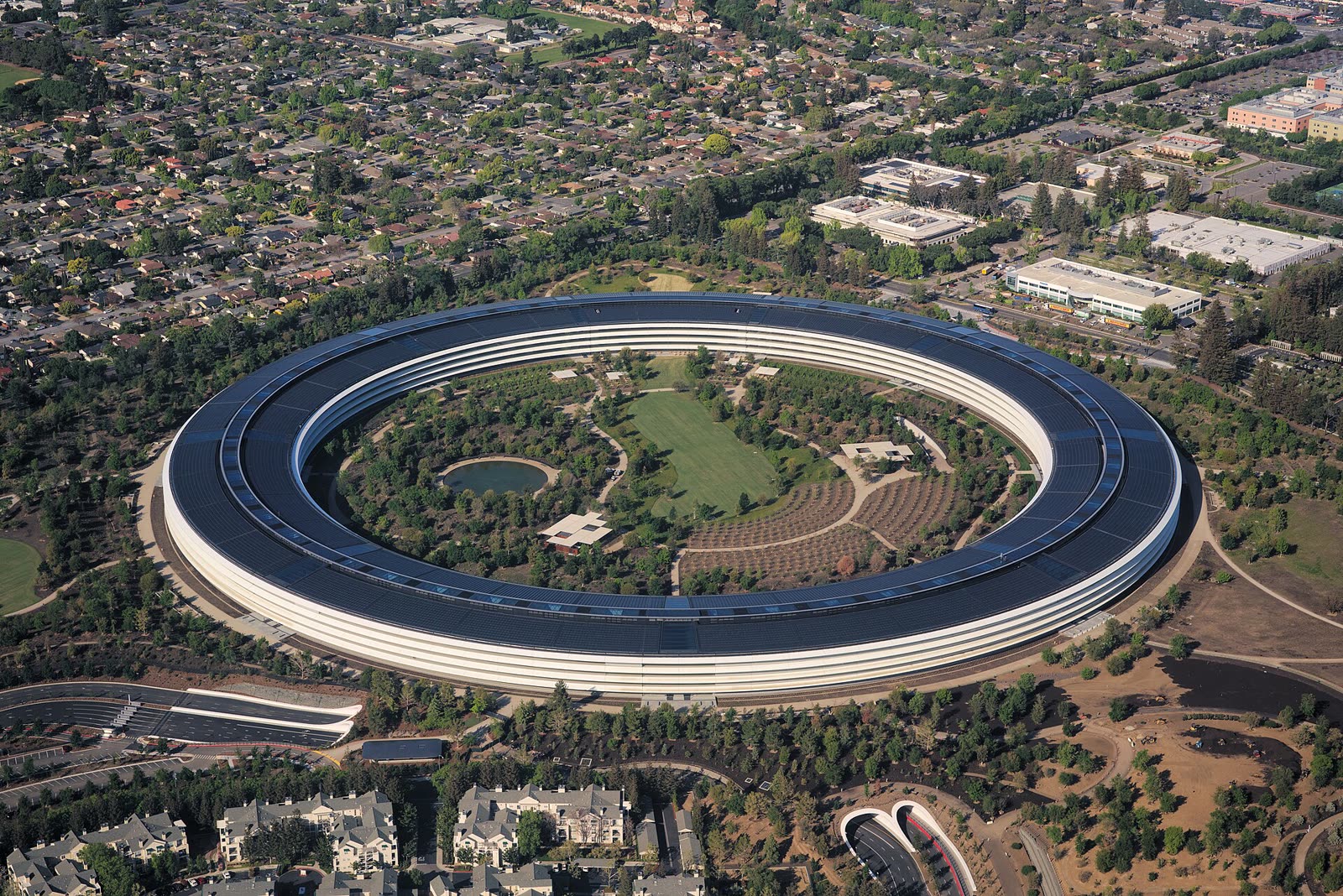
the $725 billion assumption
This year, Microsoft, Amazon, Google and Meta will together spend more than $725 billion on data centers for artificial intelligence. It is the largest single-year corporate investment in the history of business, and every dollar of it rests on the same assumption: whoever builds the biggest brain wins.
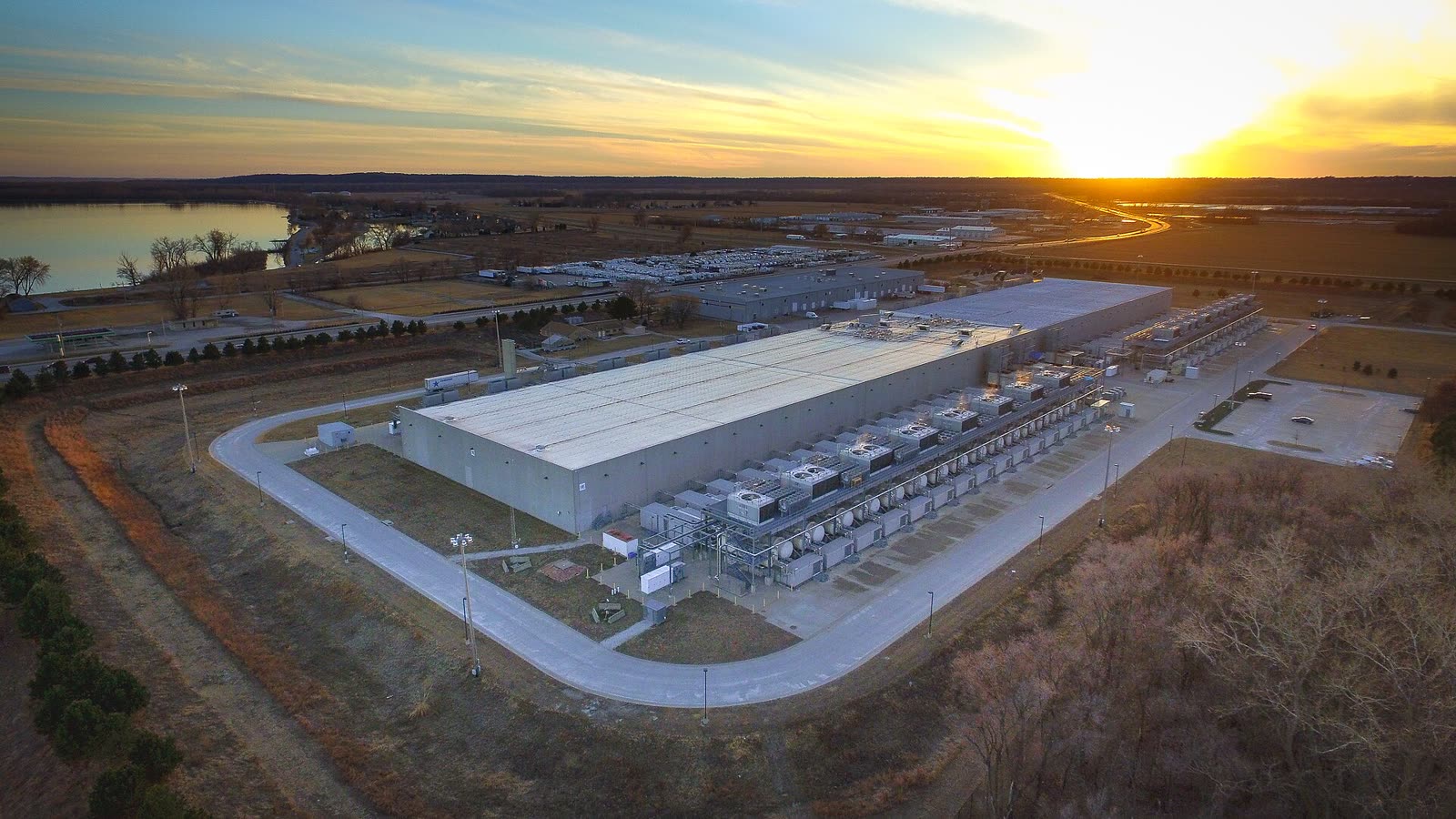
Apple is not placing that bet. In March 2026, while its rivals poured concrete for server farms, Apple held a quiet launch event in New York and unveiled a $599 laptop running on an iPhone chip. The person on stage was not Tim Cook. It was John Ternus, a hardware engineer few people outside the company could name. Weeks later, Apple announced that Ternus would succeed Cook as chief executive on September 1st.
So Ternus now runs the most valuable company in the world in the middle of an AI race most observers say Apple is losing badly. And one move from January made that verdict look final: Apple agreed to pay Google, its biggest competitor, roughly $1 billion a year to rent the AI models that will power Apple's own products.
Why would the richest company on Earth hand the most personal part of its products to the rival it has spent a decade trying to escape? The video behind this article argues that the answer lies in Apple's own history. The last time Apple wrote a check like this to an enemy, the year was 1996, the company was twelve weeks from running out of cash, and the check bought it the next quarter century.
The narrator says he went back through Apple's paper trail: court settlements, filings, deal terms, the org chart. Out of it he assembles what he calls Apple's five-phase plan to win the AI race. The case against Apple is strong, so start there. The case for it only makes sense once you know how bad things got.
the $250 million promise apple couldn't keep
Start with the prosecution. At its 2024 developer conference, Apple promised a new generation of Siri. The assistant would see what was on your screen, understand the context of your life, and take actions for you across every app. It was, in the narrator's words, going to be "the assistant that Siri was always supposed to be," and Apple built the marketing for the iPhone 16 around that promise.
Then, in the spring of 2025, Apple quietly delayed those features and pulled the ads. The phone had been sold on capabilities that did not yet exist. This year, the bill arrived: a $250 million settlement over false advertising, covering roughly 37 million iPhones, or somewhere between $25 and $95 per device.
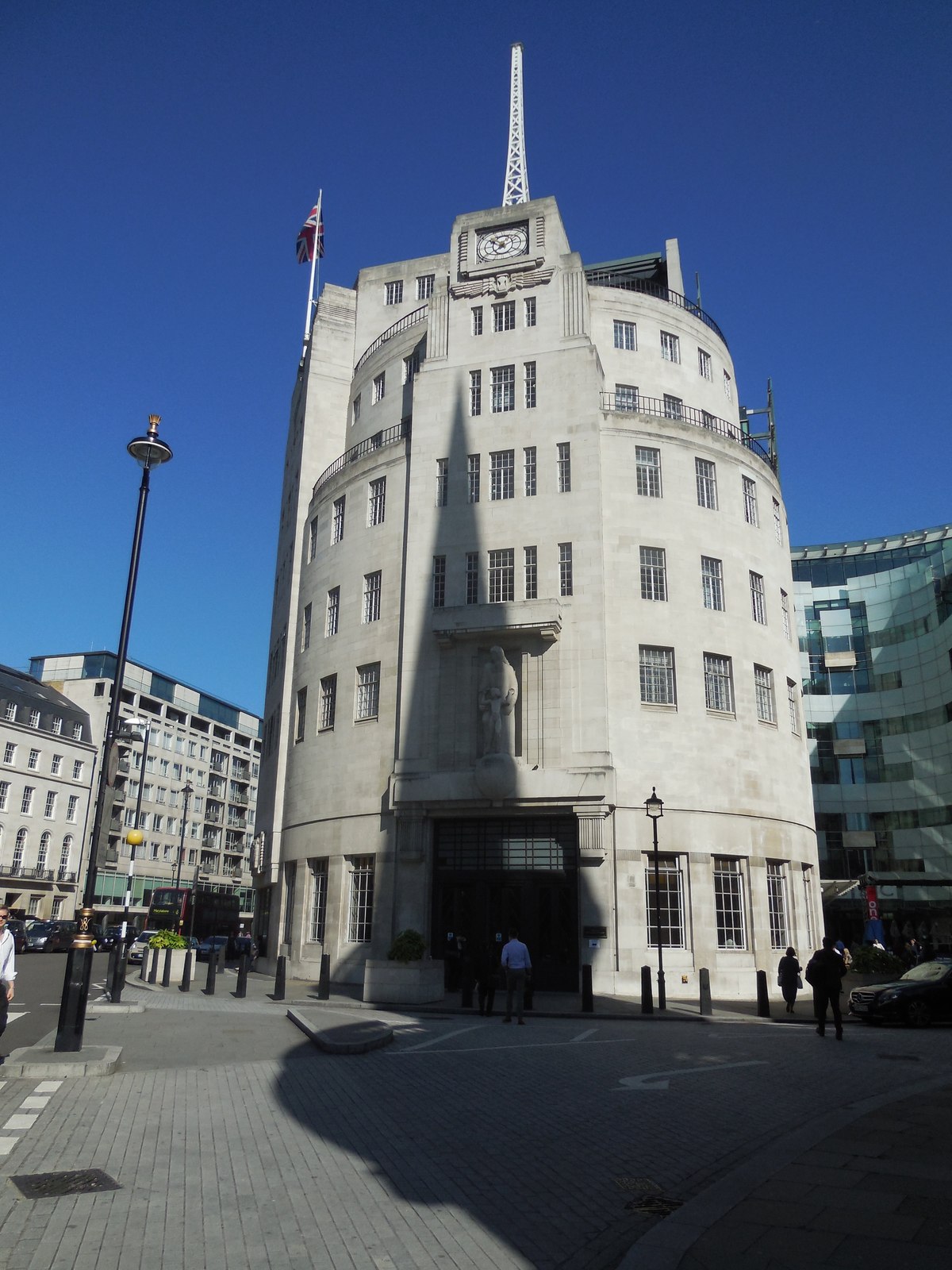
In January 2026 came the announcement that seemed to confirm defeat. Apple said the next generation of its own AI models, known as Apple Foundation Models, would be built on Google's Gemini. Bloomberg estimated the deal at about $1 billion a year.
"If you stop the story right there," the narrator says, "this looks like a company that gave up competing in the AI race." His argument is that almost all of this has happened to Apple before.
the time apple almost died
In the summer of 1996, Apple was nowhere near the multi-trillion-dollar giant it is today. It was twelve weeks from bankruptcy. For years it had tried and failed to build a modern operating system for the Mac, a project code-named Copland. The one piece of software its hardware depended on was the one thing it could not make.
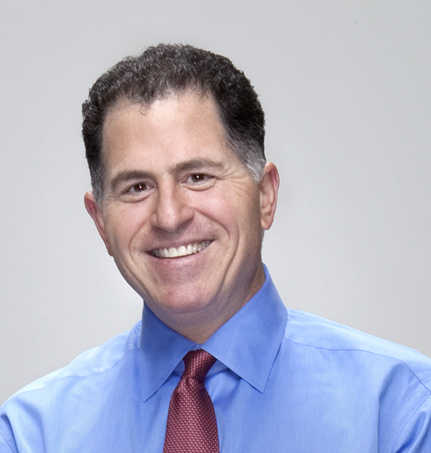
The industry had written Apple off. By October 1997, when Michael Dell, founder of Dell Computer, was asked what he would do if he ran Apple, his answer became infamous: shut it down and give the money back to the shareholders. The smartest people in technology looked at Apple and saw a corpse.
The irony ran deeper. The reason Apple lacked a modern operating system traced back to 1985, when its own board pushed out co-founder Steve Jobs after a power struggle with CEO John Sculley. Jobs left and founded NeXT, and spent the next decade building exactly the kind of advanced operating system Apple could not. When Apple went shopping for a rescue in 1996, the best option on the table belonged to the founder it had fired.
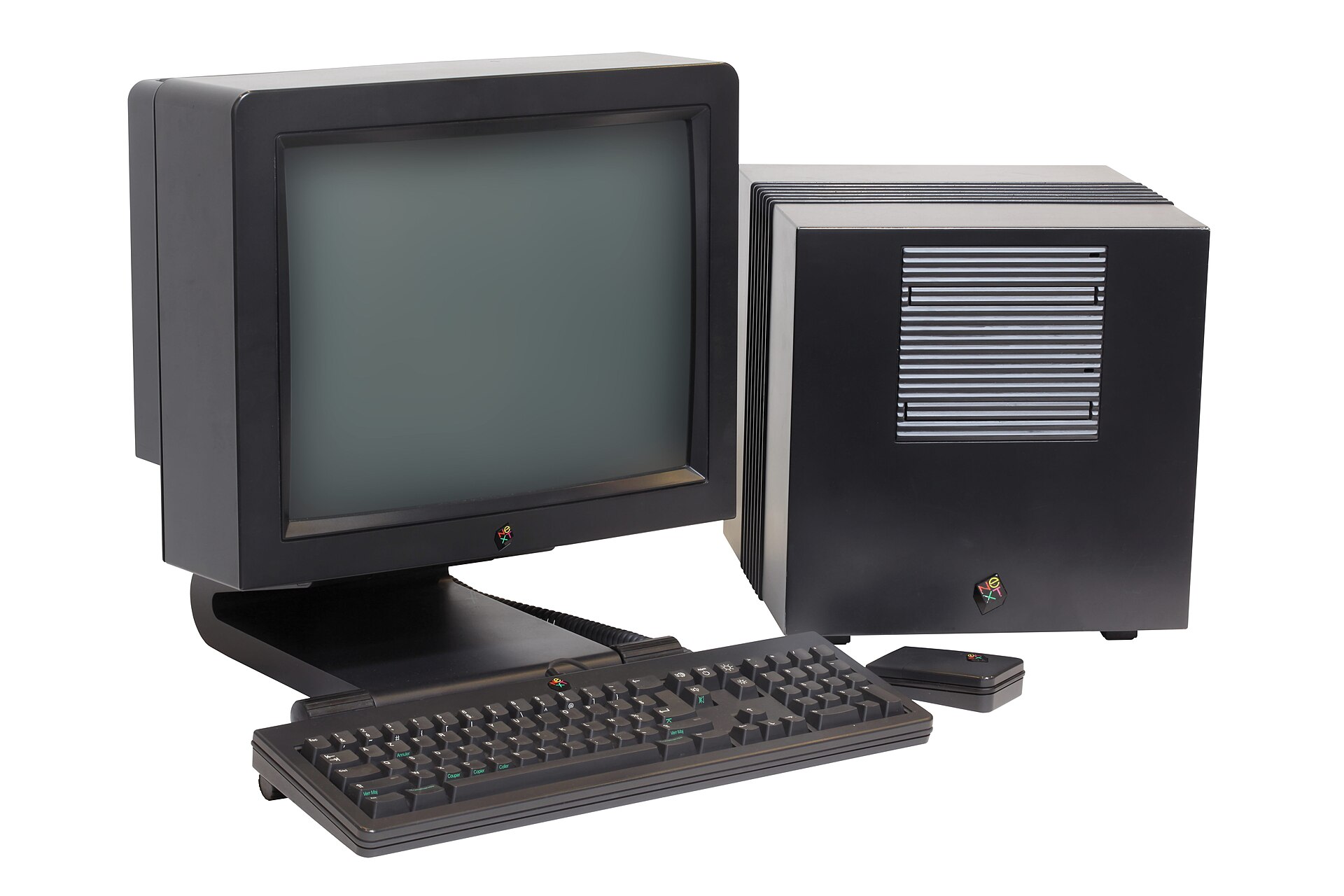
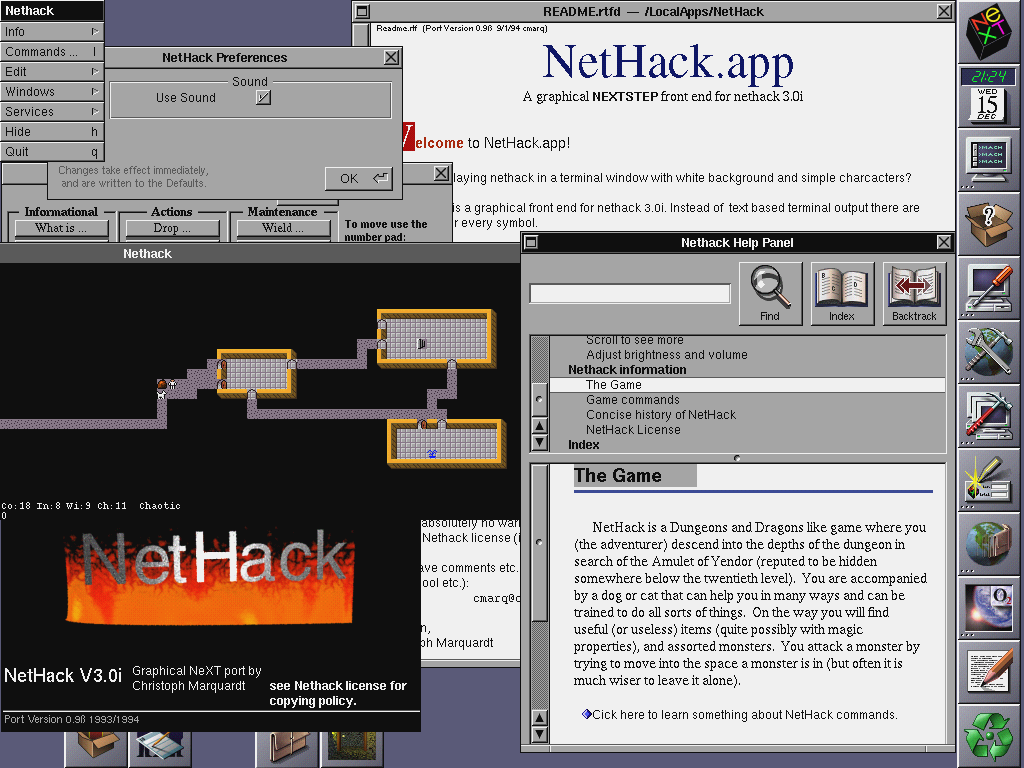
Apple paid about $429 million for NeXT and brought Jobs back. NeXT's software became the foundation of Mac OS X, which became the foundation of the original iPhone's software, which runs in some form on every product Apple has sold since. A company weeks from death bought the one layer it could not build, wrapped it in its own hardware, and rode it for twenty-five years.
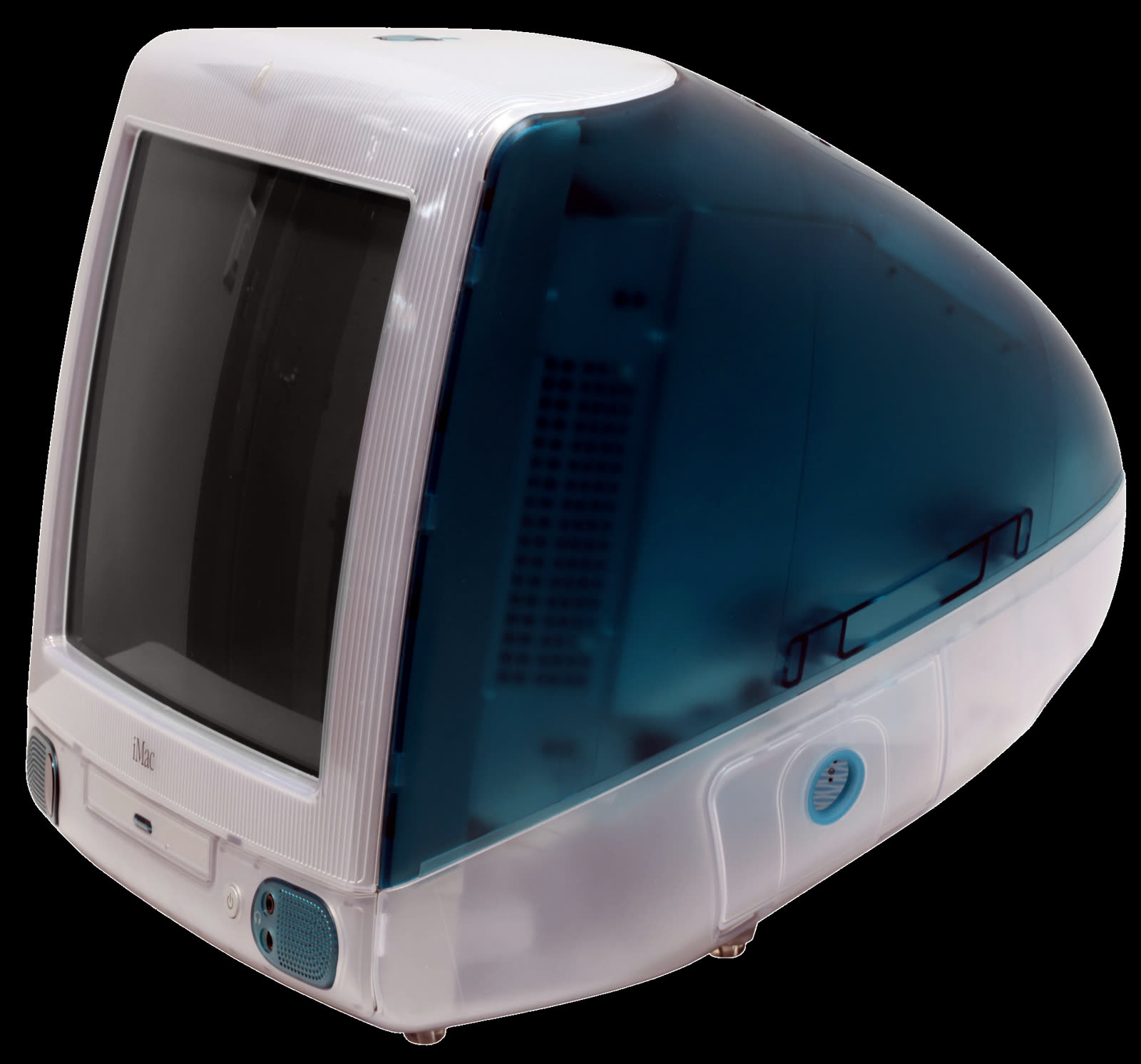
A year later came a second unthinkable move. In August 1997, Jobs walked onto the stage at Macworld in Boston and announced that Microsoft, the enemy Mac users had been trained to hate, was investing $150 million in Apple. When Bill Gates appeared on a giant screen behind Jobs, the crowd booed. But Apple was losing around $1 billion a year with less than ninety days of cash, and Microsoft's money bought the runway to build the iMac in 1998 and the iPod in 2001. Apple was profitable again.
The Google Gemini deal, the narrator argues, is both of those moves at once. Apple cannot build a frontier AI model fast enough, so it is renting that layer, and renting it from the rival that has already done the hard work.
the oldest move in the playbook
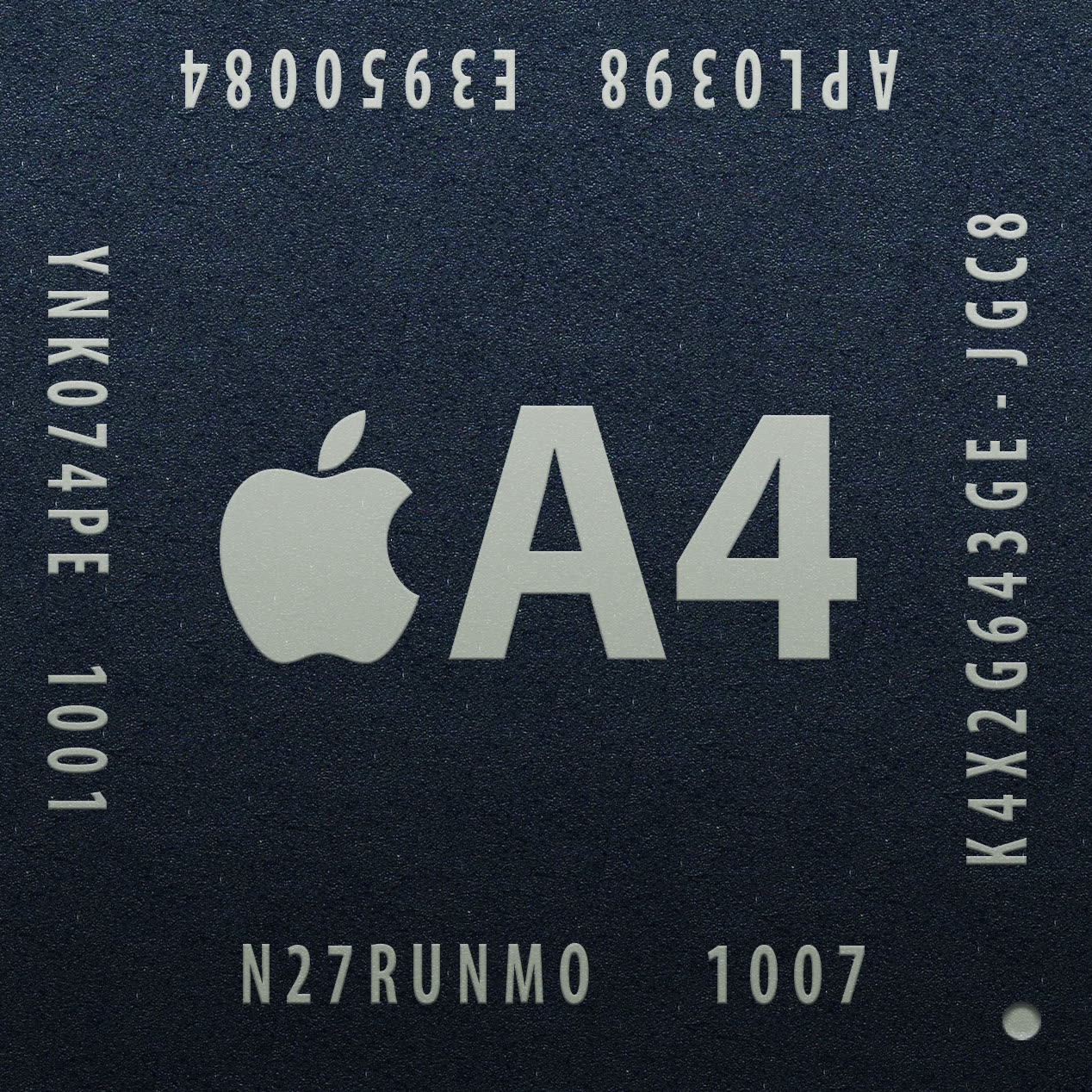
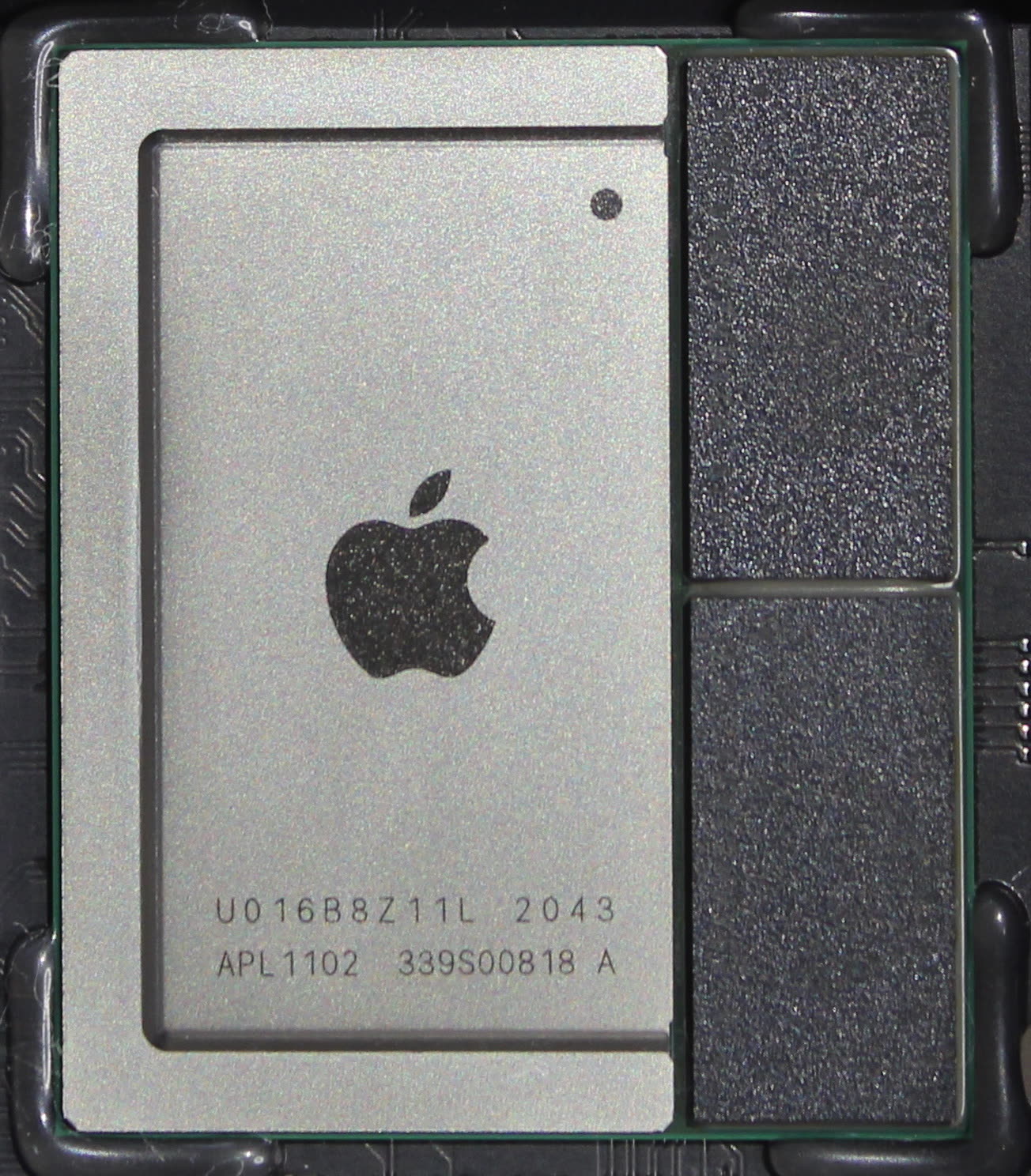
Apple has run this play more than once. In April 2008, Apple bought a small chip company called P.A. Semi. That acquisition grew into Apple silicon, the in-house chips that now power every Apple device and pushed Intel out of the Mac.
In 2014, Apple bought Beats for about $3 billion. Everyone talked about the headphones. Almost nobody noticed the throw-in: a small streaming service called Beats Music. Apple shut it down, rebuilt it, and relaunched it as Apple Music, which now has an estimated 100 million paying subscribers and anchors a services business that just posted a record of roughly $31 billion in a single quarter.
"The shape is always the same," the narrator says. Apple acquires the layer it can't build fast enough, wraps it in its own hardware and design, absorbs it into the ecosystem, and keeps the customer.
why the smartest model can't beat siri
Fast forward to June 2026. At what would be his final developer conference as CEO, Tim Cook unveiled the product Apple had failed to ship for two years: a completely rebuilt Siri, now with its own standalone app. It routes requests across three tiers: Apple's own small models on the device, Apple's Private Cloud Compute servers, and a custom Gemini model running on Google Cloud for the heaviest reasoning. It can finally do what was promised in 2024. It reads your screen, pulls context from your email, messages and photos, and carries out actions across your apps.
The narrator is honest about its limits. The frontier chatbots are still smarter. They write better, reason better and code better. "If raw intelligence were the whole game," he says, "Apple would have already lost it."
if raw intelligence were the whole game, apple would have already lost it.
the narrator
But intelligence and access are different advantages. The smartest model in the world is useless if it knows nothing about your work and your personal life. What makes the new Siri matter is the orchestrator underneath it: the layer that decides what to answer on the device and what to send up to the cloud, with Apple anonymizing queries along the way.
For ChatGPT, Gemini or Claude to match that on your iPhone, you would have to grant a third party standing access to your messages, mail, photos, calendar and screen. "Every one of those is a trust decision," he says, "and I think most people will say no."
every one of those is a trust decision, and i think most people will say no.
the narrator
That trust was built over more than a decade. After the 2015 San Bernardino attack, the FBI obtained a court order demanding that Apple build a special version of iOS to unlock the shooter's iPhone. Apple refused, and Cook published an open letter arguing that building the tool even once would put a backdoor into every iPhone on Earth. A company told the FBI no on privacy, in a terrorism case, and made it stick. That reputation is the ground Apple's moat is built on.
The AI labs have one way around it: get you off the iPhone entirely. That turns the AI race into a hardware war, fought on the one battlefield Apple has dominated for fifteen years. Meanwhile the model itself is becoming a commodity; several companies now have one that is good enough. The device, the personal context and distribution across a couple of billion phones are not commodities.
The narrator doesn't pretend this is risk-free. "The moat cuts both ways." If AI models stop being interchangeable, Apple has made itself dependent on a company it spent ten years positioning against. He calls it the single biggest risk in Apple's strategy, and says there's no clean answer to it.
the trillion-dollar computer already in your pocket
Underneath that risk sits a bet the rest of the industry can't match. Every other company in the race has to build the computer that runs its AI. That $725 billion is the cost: giant data centers full of chips, burning power, running models in the cloud.
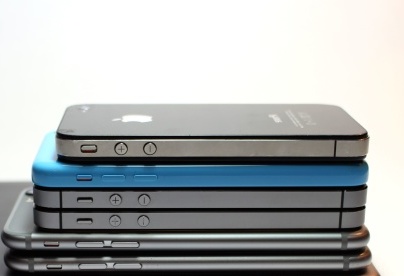
Apple has already shipped its AI computer. It has sold well over 2 billion iPhones since 2007, and around 1.5 billion are still in use. Add iPads, Macs and watches, and Apple has roughly 2.5 billion active devices, each with an Apple chip inside. Its customers built the infrastructure one purchase at a time.
The economics follow. Every time a cloud chatbot answers a question, the company running it pays for compute and power. Every time Siri answers on the device, after the phone is already sold, it costs Apple close to nothing. The rest of the industry is building businesses where every use is a new cost. Apple is building one where the customer has already paid for the hardware that does most of the work.
This is the wall the labs will hit. OpenAI is already trying to build its own device, but anything it launches enters a world where Apple ships an iPhone, iPad, MacBook, iMac, Apple Watch, AirPods and Apple TV, all built to hand off to each other. A text started on the phone finishes on the laptop; your photos are everywhere at once. That interlocking system took nearly twenty years to build. Matching it with a single first-generation gadget is close to impossible. Even Jony Ive, working with OpenAI, is reportedly building something meant to work alongside your iPhone rather than replace it.
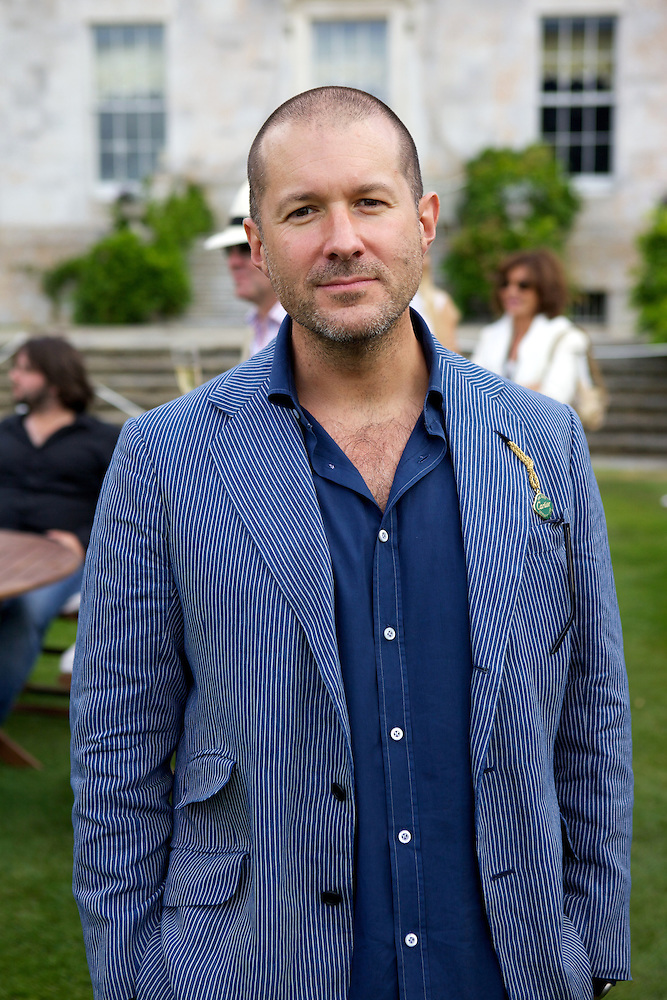
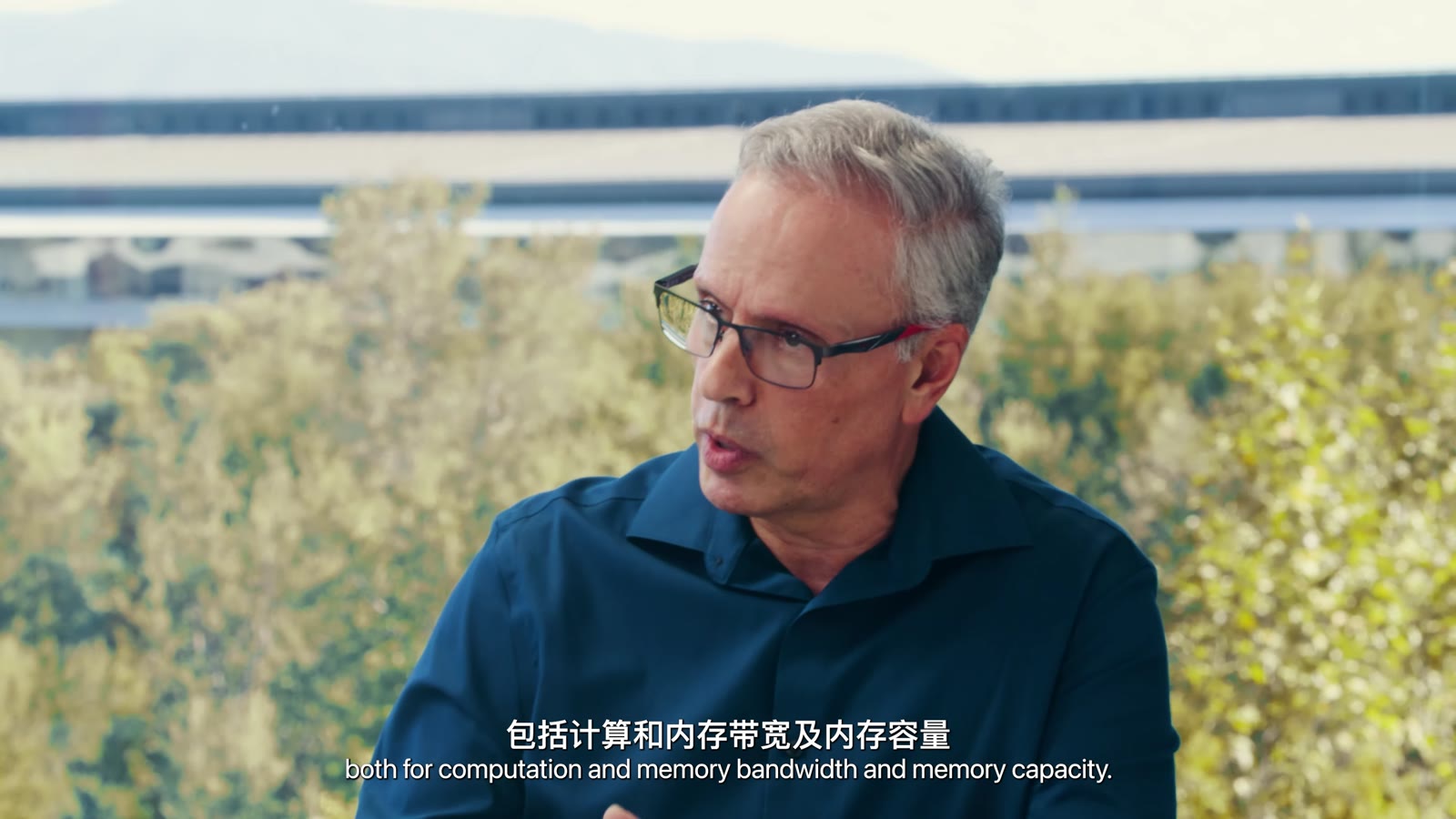
Steve Jobs always wanted Apple to own the whole stack: the silicon, the system, the device. Renting the model layer for a few years while Apple figures out the rest is how it protects that. On the same April day it named Ternus CEO, Apple created a title that had not existed the day before, chief hardware officer, and gave it to Johny Srouji, the engineer behind every Apple chip since 2008. All hardware groups now fold into one organization reporting up to Ternus.
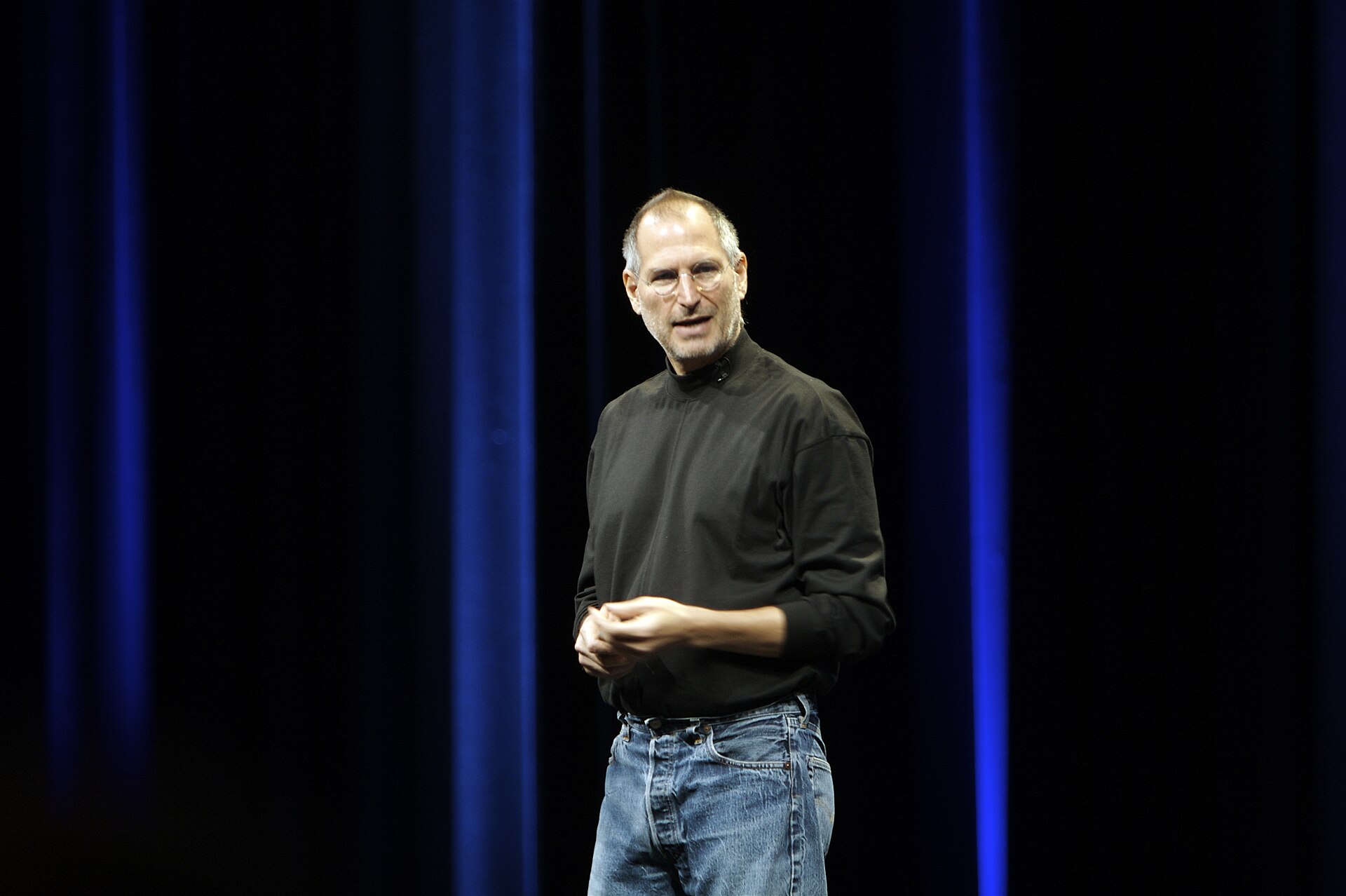
Jobs built the products. Cook built the machine that could manufacture them at planetary scale. Ternus, the narrator argues, will aim that machine back at hardware.
the ceo hiding in plain sight
Looking back, the succession was visible for six years. In 2020, Cook handed Ternus control of iPhone hardware, the crown jewels. In 2021, Ternus took over all hardware engineering and a seat at the executive table. Then came the Watch, robotics, the design team. On March 4, 2026, he fronted the entire MacBook launch and did the media tour, normally the chief executive's job.
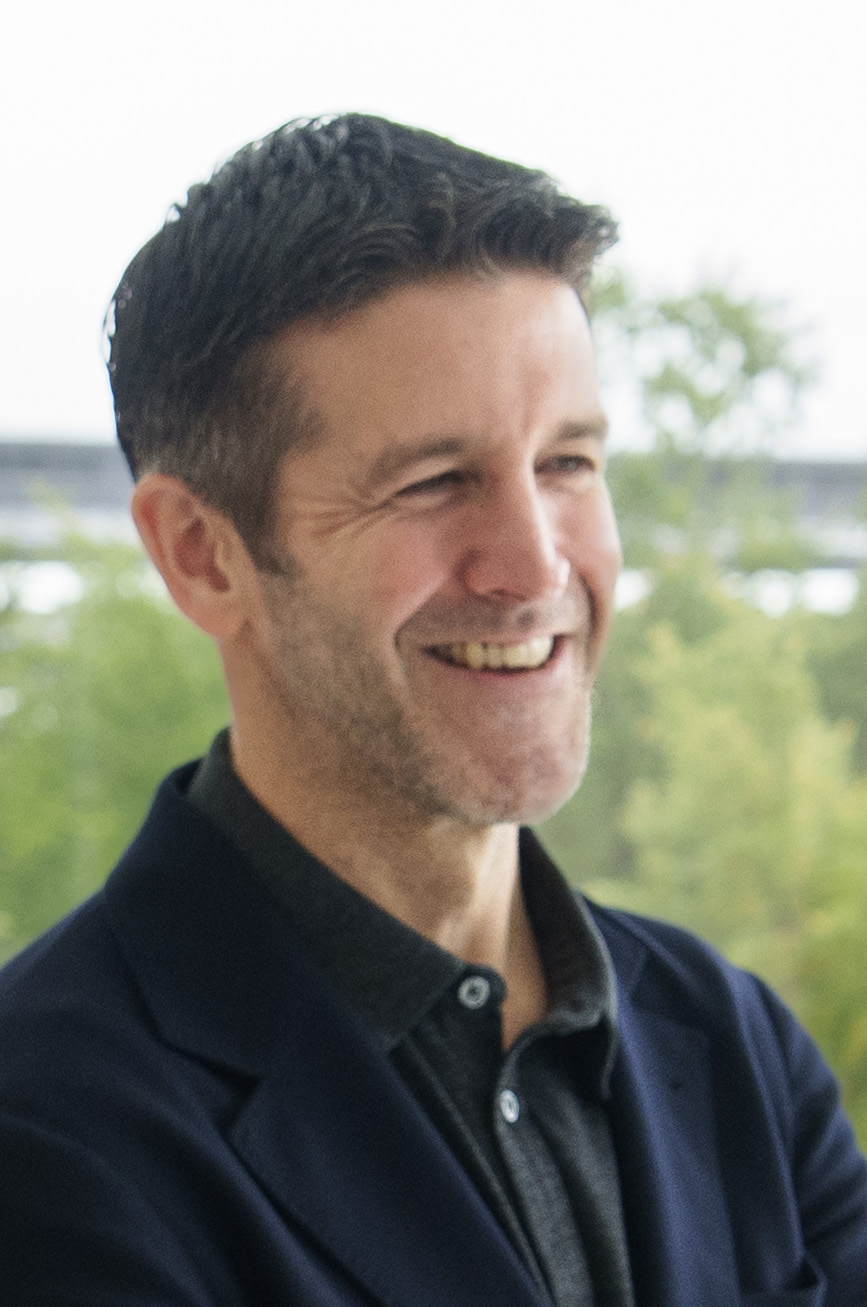
One detail gives the timeline away. In June, analyst Ming-Chi Kuo reported that Apple had cut its roadmap of head-worn devices from seven planned products to two, both of them smart glasses rather than headsets, and that Ternus had signed off on the decision three months before he was named CEO. He was already making the calls that would set Apple's direction for the next decade.
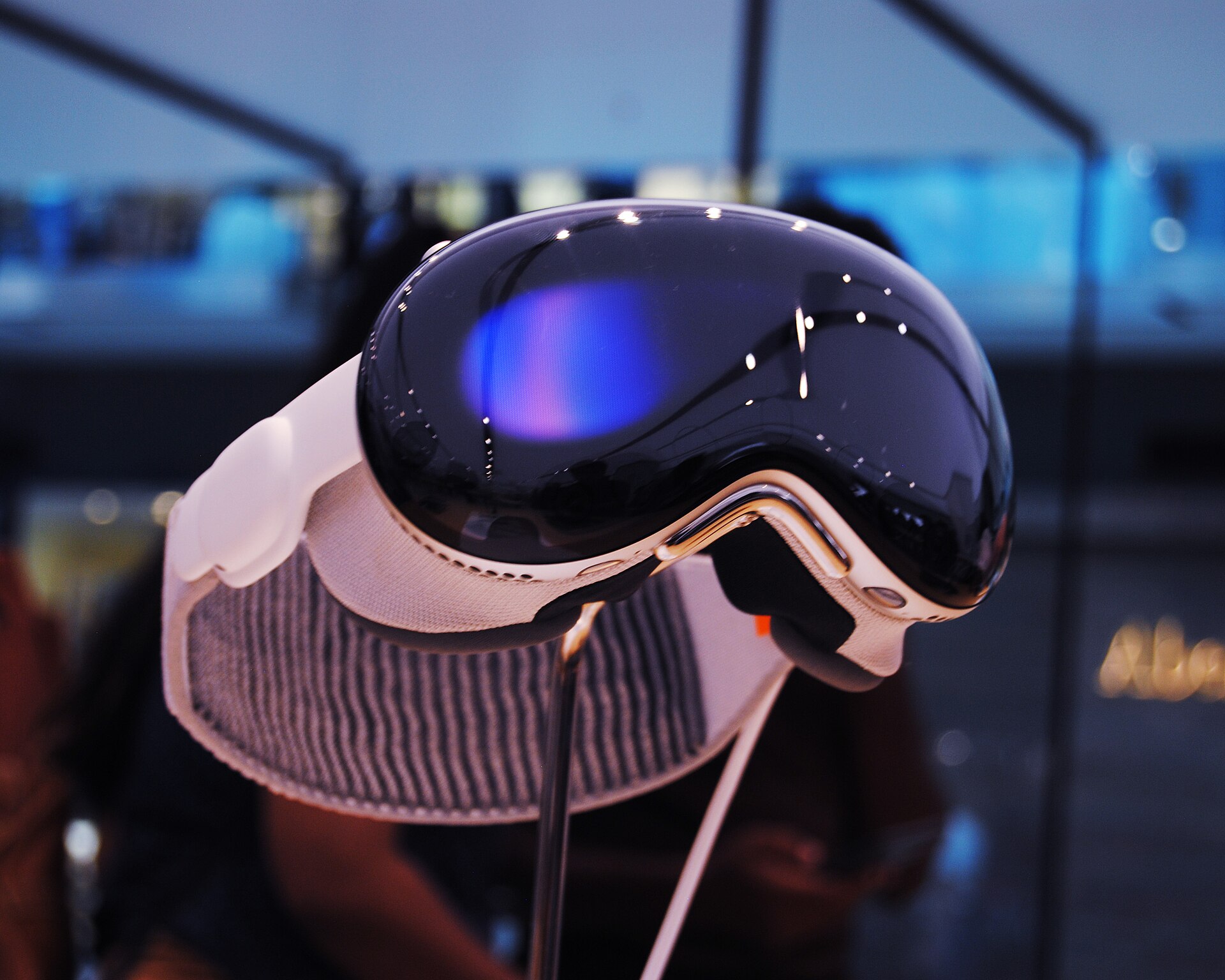
Who is he? In college in the 1990s, Ternus's senior engineering project was a robotic feeding arm for people with paralysis. His first job was at a virtual reality headset company that failed. Having lived through the first VR bust, he was reportedly one of the biggest internal skeptics of the Vision Pro, and he turned out to be right: it underperformed. He also pushed to split iPad software onto its own track, because the hardware had outrun the phone's operating system.
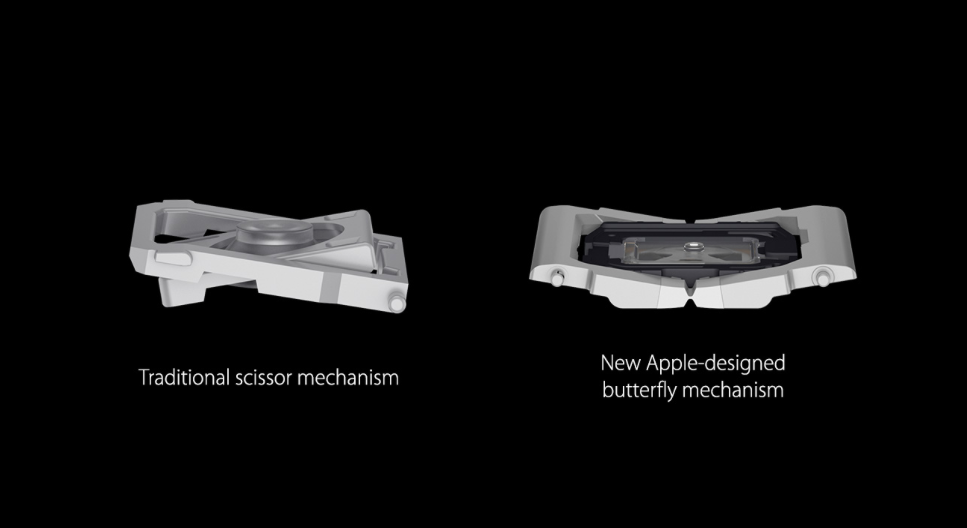
The narrator gives the losing column too. Ternus championed the MacBook Touch Bar, a strip of screen nobody asked to keep, and the faulty butterfly keyboards shipped on his watch, leading to a $50 million class-action settlement. Some inside Apple say he is better at maintaining products than inventing them. The man who inherits the Google bridge is the same man who built the hardware that bridge is supposed to lead to.
Adapted from the YouTube video essay "How Apple Accidentally Won The AI Race". Direct quotes are the narrator's. Twenty-five factual claims were checked against public reporting; three were corrected from the video: Michael Dell's remark dates to October 1997, Siri AI routes its heaviest requests to Google Cloud, and the two products left on Apple's head-worn roadmap are smart glasses, not headsets. Apple Music's subscriber count is a third-party estimate.
Photographs marked Wikimedia Commons are used under the licenses shown in each credit. Frames marked "from the source video" are stills from the original essay.